
Missing teeth can affect your confidence, comfort, and long-term oral health. Dental implants offer a stable, natural-looking solution designed to restore function and support lasting results.
At Foley & Le Oral Surgery, treatment is carefully planned to deliver predictable, long-term outcomes.
Schedule a consultation with our board-certified oral surgeons to learn if you are a candidate. Call (303) 444-2255.
Implant Care Designed for Long-Term Results
The success of dental implant treatment depends on where and how the procedure is performed. Careful planning, precise placement, and consistent follow-up all contribute to long-term results.
At Foley & Le Oral Surgery in Boulder, CO, implant care is structured to deliver reliable outcomes and a well-managed treatment experience from start to finish.
- Surgical Expertise at Every Stage
- Comprehensive Case Planning
- Organized, Efficient Care
- Focus on Long-Term Stability
- Clear Communication and Support
“For me, implant dentistry is so much more than just a procedure—it’s about giving someone back the pieces of their life they’ve been missing. My philosophy has always been that a healthy bite and a beautiful smile go hand-in-hand. I’ve dedicated thousands of hours to clinical training and continuing education to ensure my patients receive the absolute best care possible.” Dr. Benjamin Foley




Advanced Surgical Expertise in Dental Implants
Dental implant treatment is performed by a team of oral and maxillofacial surgeons with experience in implant placement, bone grafting, and surgical care.
Dr. Benjamin Foley has extensive experience in dental implants and bone grafting, with advanced training in corrective jaw surgery and complex reconstruction. His focus on surgical planning and technique supports consistent, long-term results.
Dr. Thao Le holds both dental and medical degrees and has broad surgical training across multiple specialties, including anesthesia and hospital-based care. Her background allows for a comprehensive approach to implant surgery and patient safety.
Dr. Michael Schiappa brings a background in biomedical engineering and advanced surgical techniques. His experience with modern planning and reconstruction methods supports precise implant placement and individualized treatment.
Each surgeon contributes a different area of expertise, allowing care to be tailored to the needs of each patient.
What Are Dental Implants?
Dental implants replace the root of a missing tooth with a titanium post that bonds with the jawbone over time. Once in position, the implant serves as a stable base for a crown, bridge, or full arch restoration.
Most implants are made from titanium, a material that bonds with the surrounding bone over time. This process creates a strong foundation that allows the replacement tooth to function similarly to a natural tooth.
In some cases, zirconia implants may be used. Zirconia is a metal-free ceramic material that may be recommended for patients with metal sensitivities or specific treatment preferences.
Parts of a Dental Implant
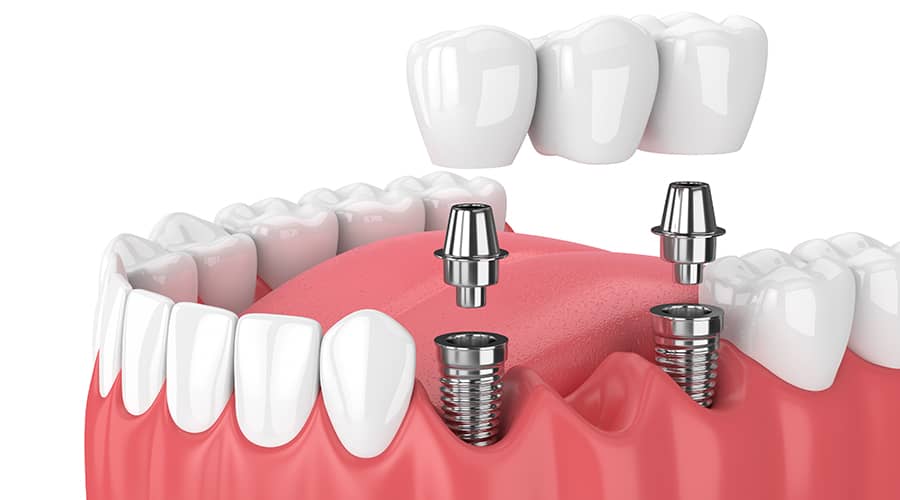
A dental implant is made up of three main parts: the implant post, the abutment, and the restoration.
The implant post is placed in the jawbone to act as the artificial tooth root. The abutment is a small connector that attaches to the implant and supports the final restoration. The restoration is the visible portion of the tooth, such as a crown, bridge, or denture.
Benefits of Dental Implants
Dental implants are considered the most complete solution for replacing missing teeth because they restore both the root and the visible portion of the tooth. This allows them to function more like a natural tooth compared to other options.
They are a highly effective way to replace missing teeth and are built for long-term durability, with success rates exceeding 95%. Many patients consider implants a worthwhile long-term investment because they are designed to support lasting function, comfort, and oral health.
With a single dental implant, patients can expect:
- A fixed replacement that feels stable when biting and chewing
- A natural appearance that blends with surrounding teeth
- Preservation of bone in the area of the missing tooth
- No need to alter or rely on adjacent teeth for support
- Long-term function with proper care
This combination of stability, function, and bone preservation makes dental implants the preferred option for single-tooth replacement.
“Dental implants are the closest thing we have to restoring a natural tooth—replacing a missing tooth at the root level to recreate the strength, function, and appearance of a healthy smile while preserving the surrounding teeth. By combining cutting-edge technology with thoughtful surgical planning, our implant protocol allows for exceptionally precise and predictable outcomes.” Dr. Michael Schiappa
Candidates for Dental Implants
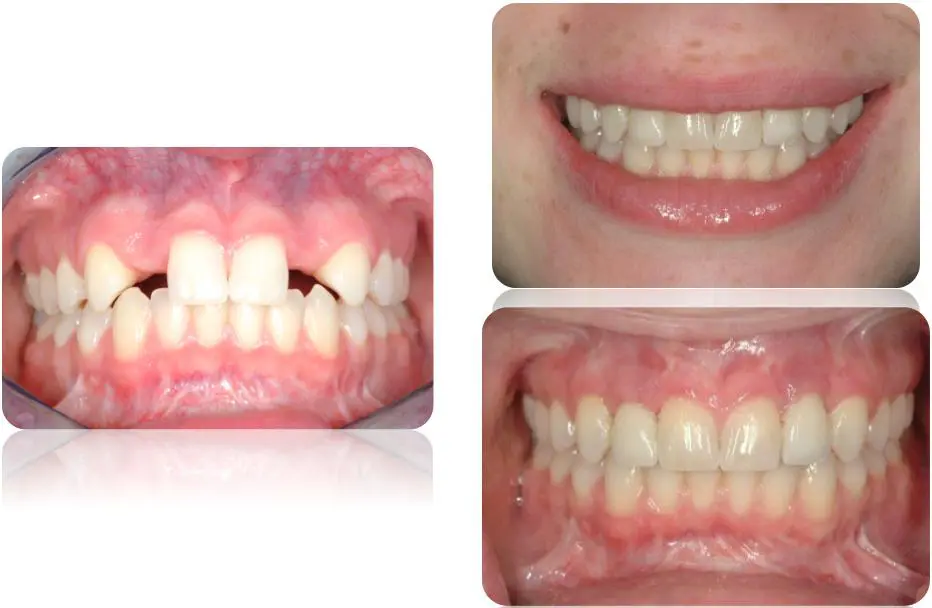
Dental implants are an option for many patients who want a stable, long-term solution for a missing tooth. In most cases, candidacy comes down to whether the implant can be placed in a way that supports proper function and long-term stability.
Good candidates typically have:
- Healthy gum tissue around the area of tooth loss
- Sufficient bone to support the implant, or the ability to build it up if needed
- No active infection in the area
- Do not smoke, or are willing to stop during the healing process
- A commitment to maintaining oral health after treatment
Even if you have been told you may not qualify, treatment options may still be available. Procedures such as bone grafting can often improve support and allow for implant placement.
A consultation is the best way to determine if dental implants are the right option and how treatment can be planned for your specific case.
Patient Video Testimonials
Patti, Extraction and Dental Implant
Marjorie, Extraction and Dental Implant
Steve, Extraction and Dental Implant
The Dental Implant Procedure
Dental implant treatment is completed in stages to allow for proper healing and long-term stability.
The process typically includes:
- Implant placement: The implant is placed in the jawbone to replace the root of the missing tooth
- Healing phase: Over the next three to six months, the implant bonds with the surrounding bone
- Abutment placement: Once healing is complete, a small connector is attached to support the final restoration
In some cases, a single-stage approach may be used, where the implant and abutment are placed at the same time. Your oral surgeon will determine the best approach based on your specific case.
Dental implant surgery is performed with anesthesia to keep you comfortable. Options may include nitrous oxide, IV moderate sedation or IV deep sedation, depending on the complexity of the procedure and your preferences.
Recovery and Aftercare
Recovery and healing after dental implant surgery is generally well tolerated. Most patients experience mild to moderate discomfort for a few days, along with some swelling in the surrounding area.
The procedure is less invasive than many patients expect, and symptoms are typically manageable with routine post-operative care. Most patients are able to return to normal daily activities within a short period of time.
You will receive detailed post-operative instructions after your procedure to support healing and ensure the best possible outcome.
Risks of Dental Implant Surgery
Dental implants have a success rate of over 95% and are considered a safe, predictable procedure. As with any surgery, there are potential risks, but complications are uncommon.
After surgery, mild swelling, bruising, and discomfort are expected and typically improve within a few days. Less common risks may include infection, implant failure, or temporary changes in sensation.
These risks will be reviewed with you during your consultation so you can make an informed decision about your treatment.
“Placing dental implants has had such a profound impact on our patients’ lives. Dental implants have been instrumental in allowing people to embrace their joyful experiences, whether it is making new memories with family members over a shared meal, meeting new friends, or speaking with confidence amongst loved ones. I feel fortunate for the opportunity to be a part of someone’s healthcare journey, and it is an honor that I take with the utmost care and respect.” Dr. Thao Le
Dental Insurance and Payment Options
If you have Delta Dental Premier or Cigna, your estimated portion is collected at the time of service. For all other plans, payment is due in full, and any insurance reimbursement will be sent to you once your claim is processed.
Financing options are also available through Cherry, which allows you to split treatment costs into manageable monthly payments.
Schedule a Dental Implant Consultation Today
Dental implant care at Foley & Le Oral and Maxillofacial Surgeons is centered on surgeon-led treatment, careful planning, and long-term stability.
To book a dental implant consultation at our oral surgery office in Boulder, CO, call (303) 444-2255 or visit us at 1420 28th St, UNIT 100, Boulder, CO.
Call UsFrequently Asked Questions
How long do dental implants last?
Dental implants are designed to be a long-term tooth replacement option. With proper oral hygiene and regular dental care, many implants last for decades. The restoration attached to the implant may eventually need replacement due to normal wear over time.
Does getting a dental implant hurt?
Dental implant surgery is performed with anesthesia or sedation to keep you comfortable during the procedure. Most patients describe the recovery as less uncomfortable than expected and compare it to a tooth extraction. Mild swelling and soreness are common for a few days after surgery.
Why are dental implants more expensive than other tooth replacement options?
Dental implants involve multiple stages of treatment, including surgical planning, implant placement, healing, and the final restoration. The cost also reflects the materials used, advanced imaging, surgical expertise, and the long-term durability of the treatment. Many patients choose implants because they help preserve bone and function for many years.
Can dental implants fail?
Dental implants have a success rate of over 95%, but failure is still possible in some cases. Smoking, uncontrolled medical conditions, infection, teeth grinding, and poor oral hygiene can increase the risk of complications. Careful treatment planning and following post-operative instructions help support long-term success.
Will I need a bone graft before getting a dental implant?
Some patients need additional bone support before implant placement, especially if bone loss has occurred after tooth loss. Bone grafting can help create enough support for long-term implant stability. A consultation and 3D imaging are used to determine whether grafting is necessary.
Can I get an implant immediately after an extraction?
In some cases, a dental implant can be placed immediately after a tooth extraction. This depends on the condition of the surrounding bone and gum tissue, the location of the tooth, and whether infection is present. Immediate implant placement is not appropriate for every patient, but it may reduce the number of procedures and shorten overall treatment time when conditions are favorable.
Where can I get dental implants in Boulder, CO?
Foley & Le Oral Surgery provides dental implant treatment for patients in Boulder and surrounding communities. Treatment is performed by board-certified oral and maxillofacial surgeons using advanced imaging, digital treatment planning, and modern surgical techniques.


